

Polynesian-Inspired Camping
Thoughts on the long weekend ahead

We’ve been talking about camping a lot, and are even thinking about pitching a tent in our backyard this weekend. However, about a three-hour drive away, is a national park named Assateague Island, that’s known for beach camping and wild horses. This gorgeous park might be out of reach for this weekend, but it’s a great source of inspiration.
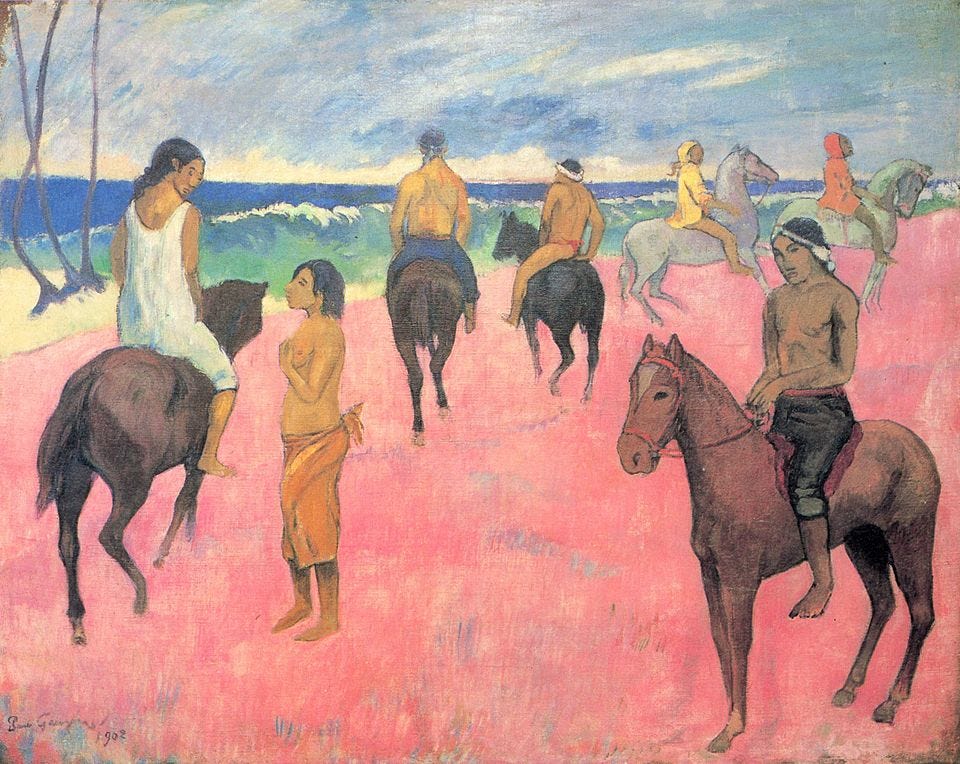
I’ve spent a lot of time thinking about, researching, writing about and talking about Polynesia. In ISLANDS, I share about my experiences traveling through Aotearoa (New Zealand), Tahiti and Hawai’i. At home, my personal book collection covers topics like Māori tattoo art and fish hook making to Native Hawaiian lei making. Plant life is essential to everything, as all of the needs are met through plants—shelter, clothing, food, medicine and entertainment, including music, arts and crafts. In this desire to return to nature, Polynesia becomes a guiding force.
To go camping is to be immersed in nature, and it’s also about eating well. As many of us know who prepare food regularly, planning is an essential part of the process. For a two-day, two-night camping trip, I would be pretty resourceful about what we would eat as a family, and then I would need to be a bit impractical because…that’s who I am.


As far as a menu, I would like to consider Polynesia in the present with all of its multiculturalism, starting with Hawai’i. The largest population in Hawai’i is Asian, with the two largest subgroups as Filipino and Japanese. It just so happens that some of my favorite foods fall in these categories. When I visited Tahiti, I was pleasantly surprised by the many Chinese food restaurants. Chinese-Tahitian culture represents a vibrant fusion of Chinese immigrants (who first arrived in the 1800s to work on cotton plantations) and Tahitians. All of these cultures would inspire the camping meals.


Here is what I would make before the trip:
onigiri with canned tuna and canned salmon (great snacks)
SPAM musubi (also great snack)
homemade dashi
several cups of cooked white short-grain rice (to be left overnight in the refrigerator before packing)
Here is what food I would pack:
fresh fruits like ripe mango, oranges, avocados, limes
dried fruits like dried mango and banana chips, and nuts like macadamia
cucumber and tomato
canned sardines
onion, garlic, ginger
small amounts of flavoring sauces like soy sauce, mirin, fish sauce, sake
cooking oil
miso
thinly sliced ribeye or pork belly, and enoki mushrooms
potatoes, corn on the cob, carrots, leeks
eggs and bacon
Here are what tools I would pack:
a single portable burner with several cans of propane
a large carbon steel wok
a large donabe for hot pot
a cutting board and a couple of knives
some light weight wooden bowls for serving the food
a large cooler with lots of ice
Here is what I would make on site:
For breakfast: Filipino inspired breakfast—rice and sardines, tomatoes, and cucumber
For lunch: fried rice (Japanese version with egg and leek, Hawaiian version with egg and SPAM), and Hawaiian salad with mango, orange, cucumber, and avocado.
For dinner both nights: hot pot donabe
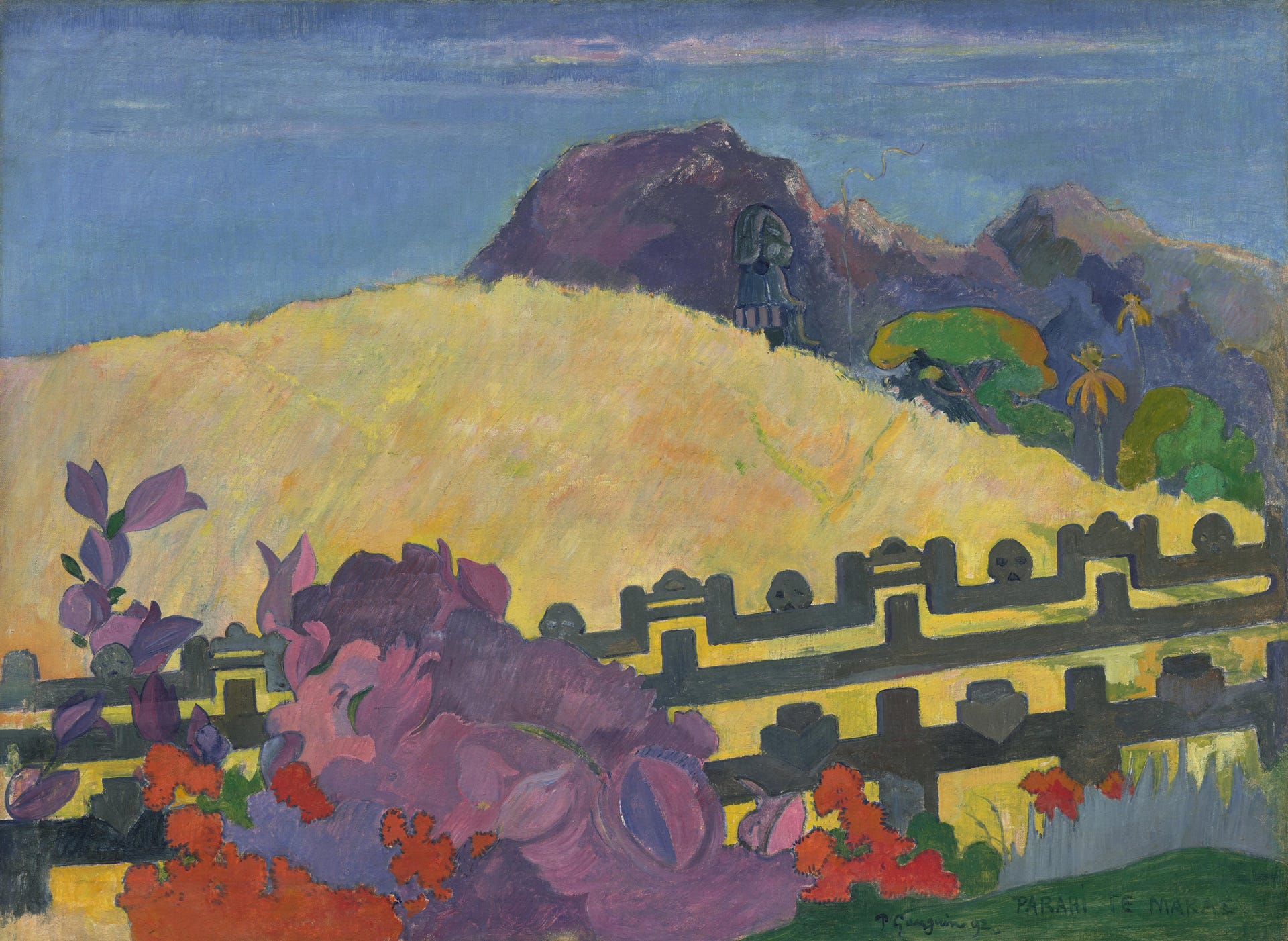
When I’m not cooking, I’d be foraging for flowers to make lei, or if we were by the beach, I’d be looking for shells. At night, I would listen to the wind and gaze up at the stars.
I hope that nature is there for you this long weekend.
x Vanessa